
Embroidered History
Reframing Memory Through Thread and Image
A collaborative workshop and exhibition exploring traditional embroidery on archival photographs, culminating in an immersive installation at Gazi Mehmed Pasha Hammam in Prizren.
Location: Prizren, Kosovo
Project Type: Art & Cultural Project
Program: Workshop and Exhibition
Status: Completed
Platform: Heritage Space, CHwB Kosovo
Year: 2019
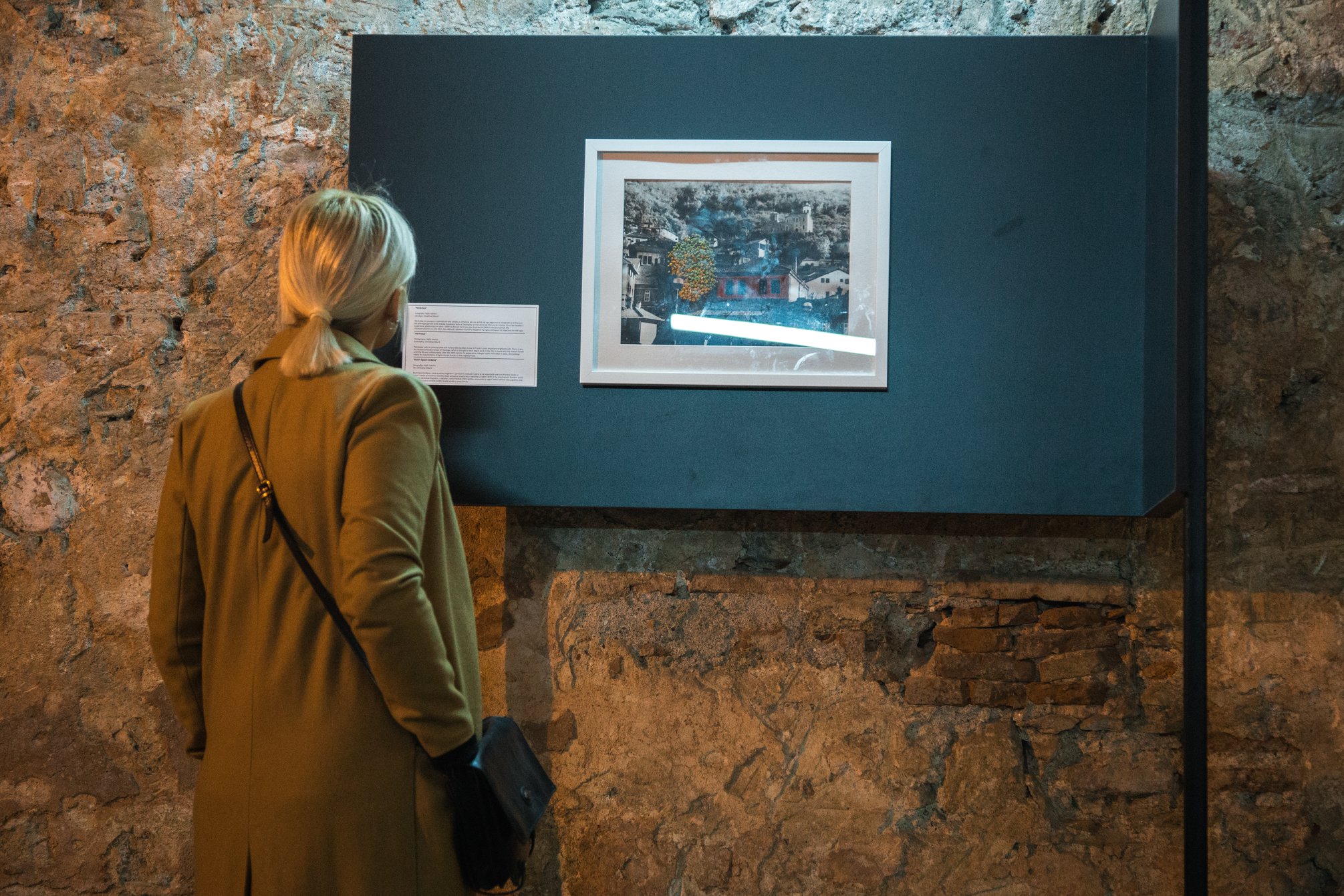
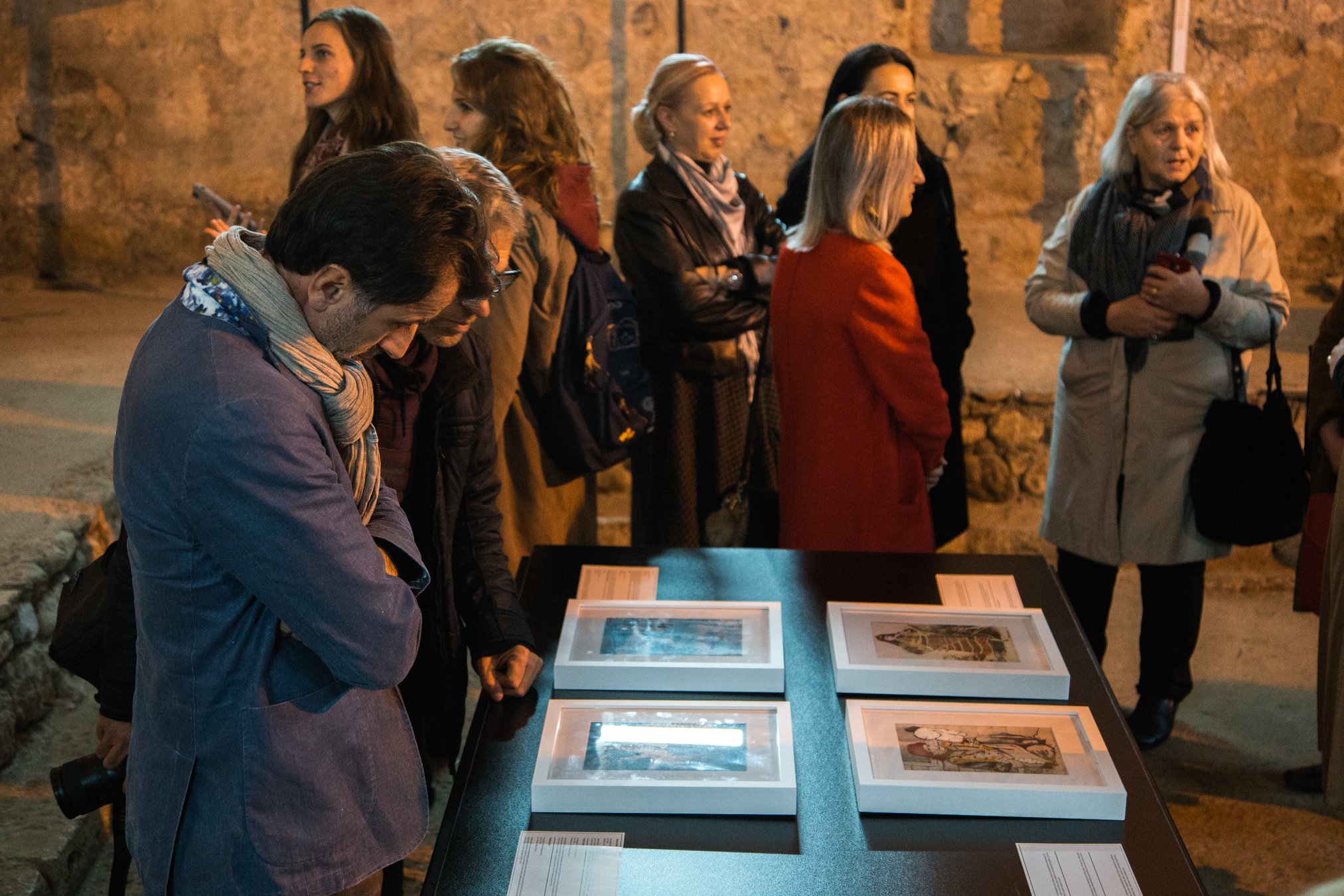
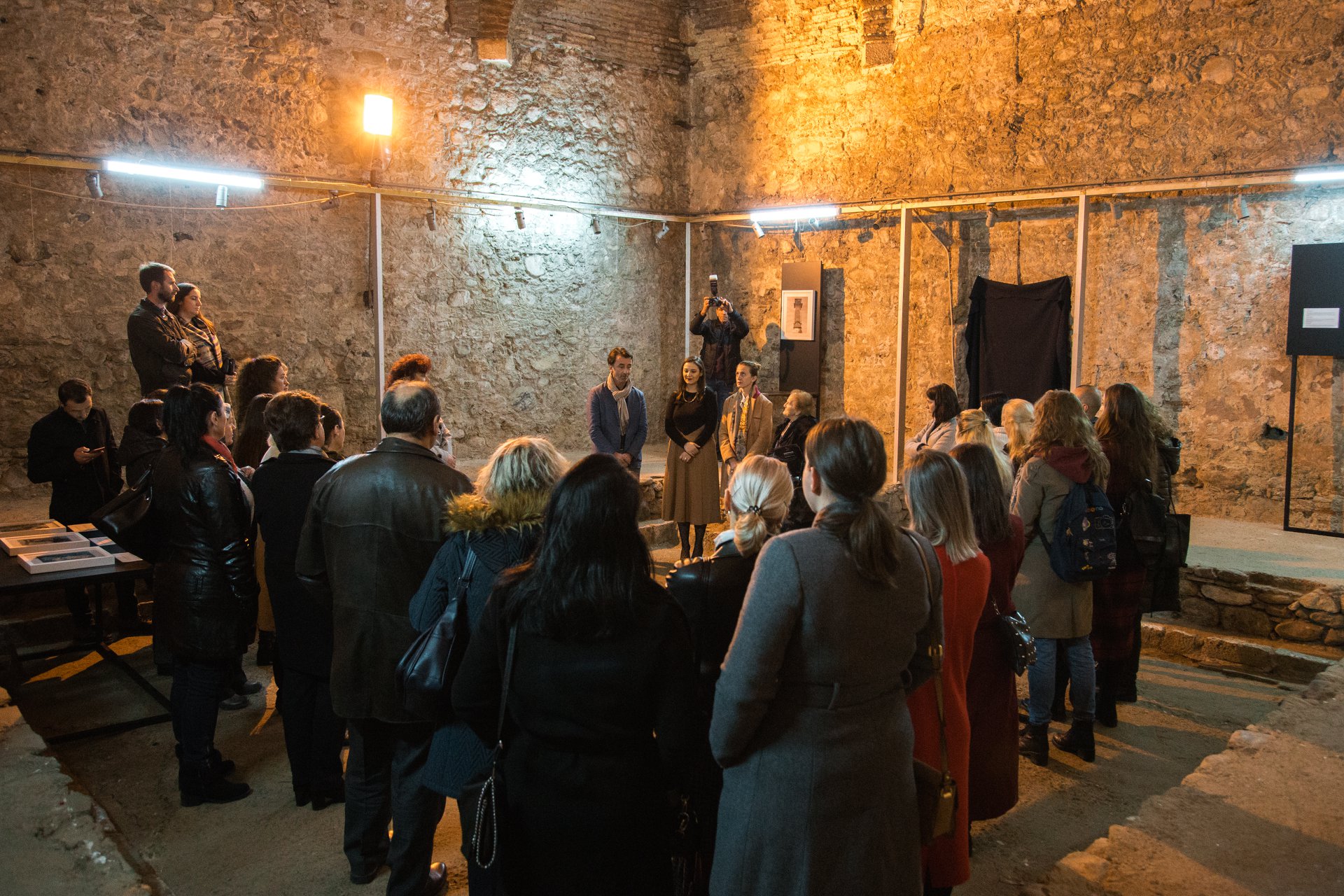
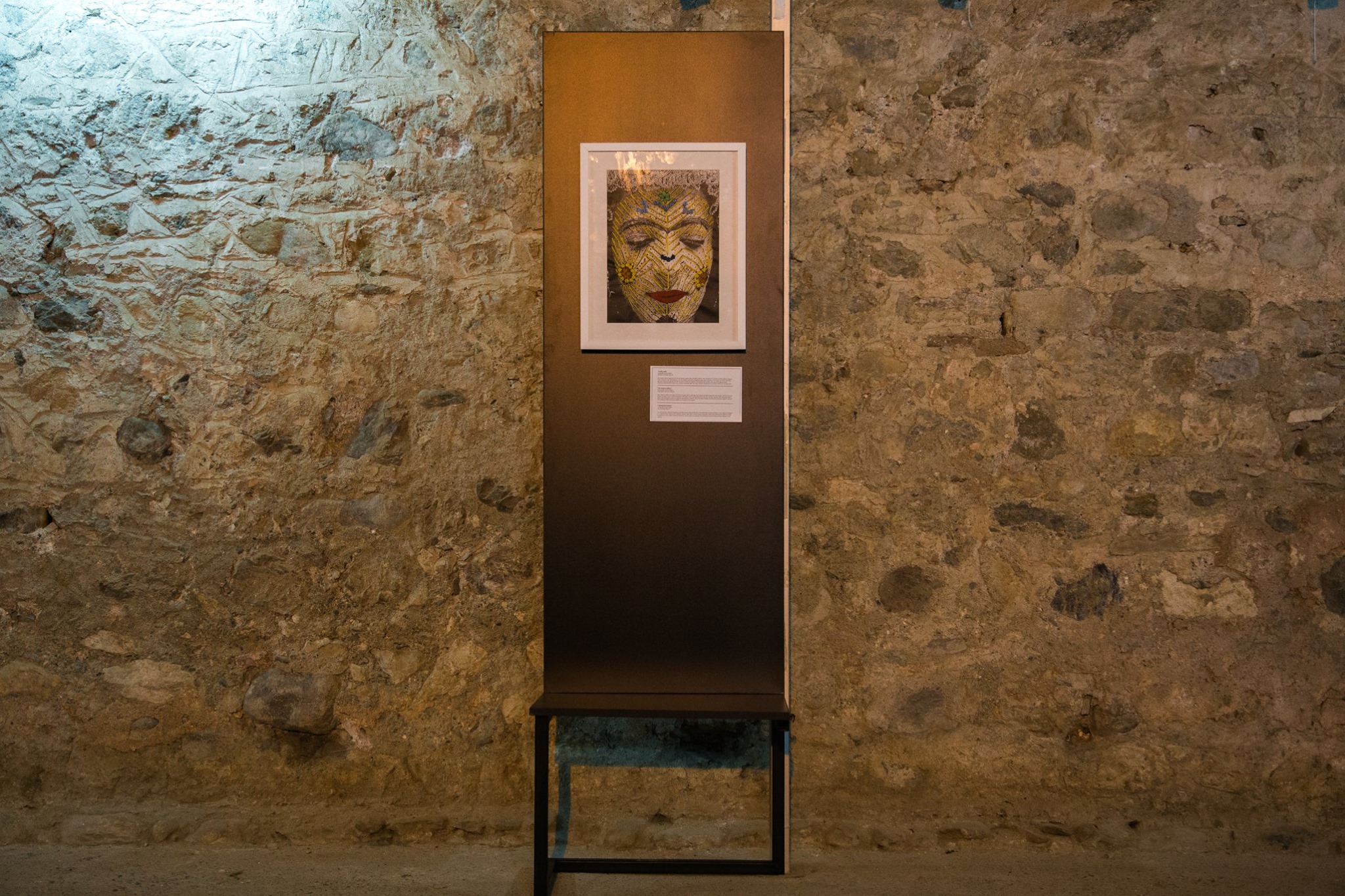
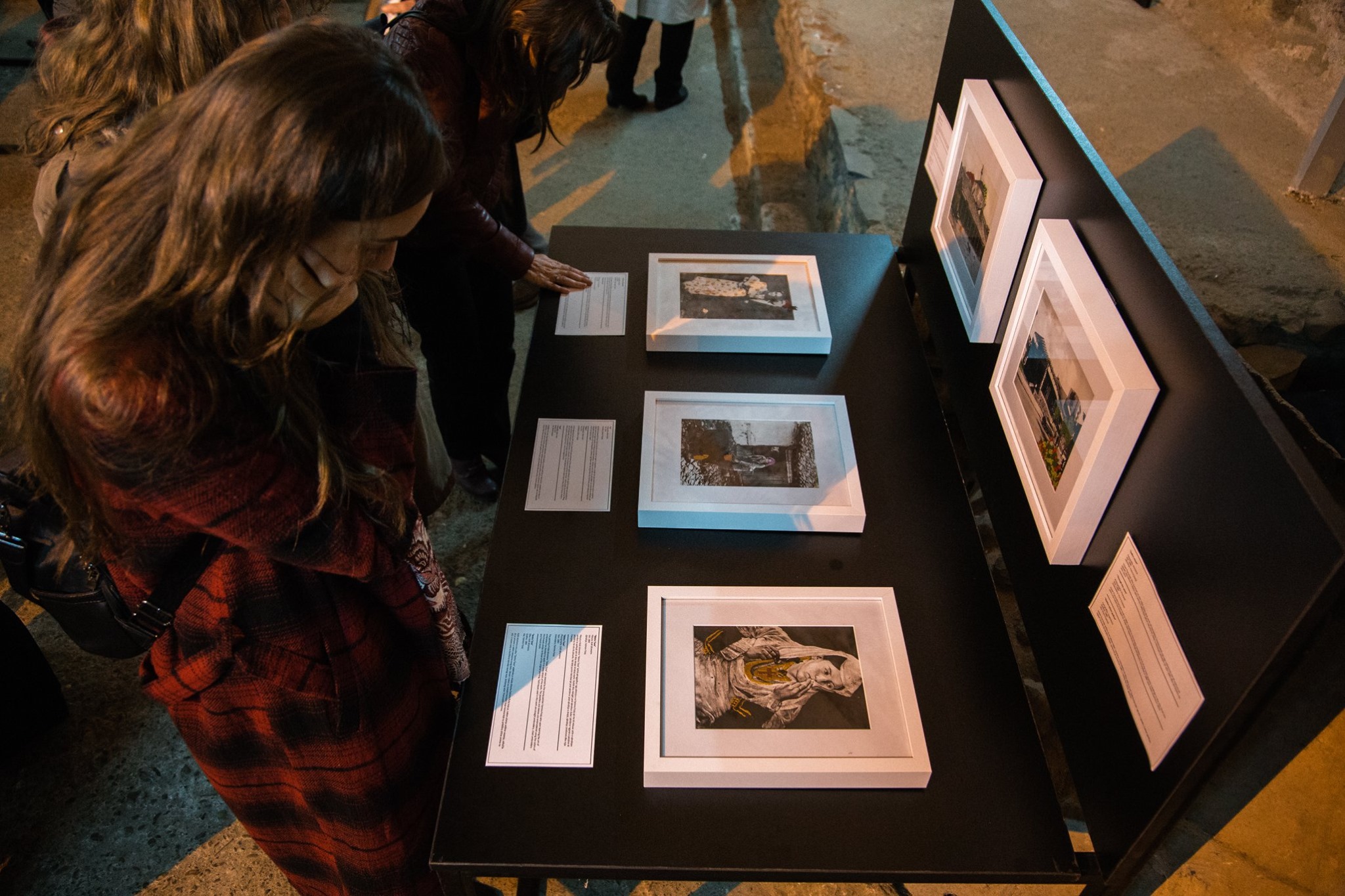
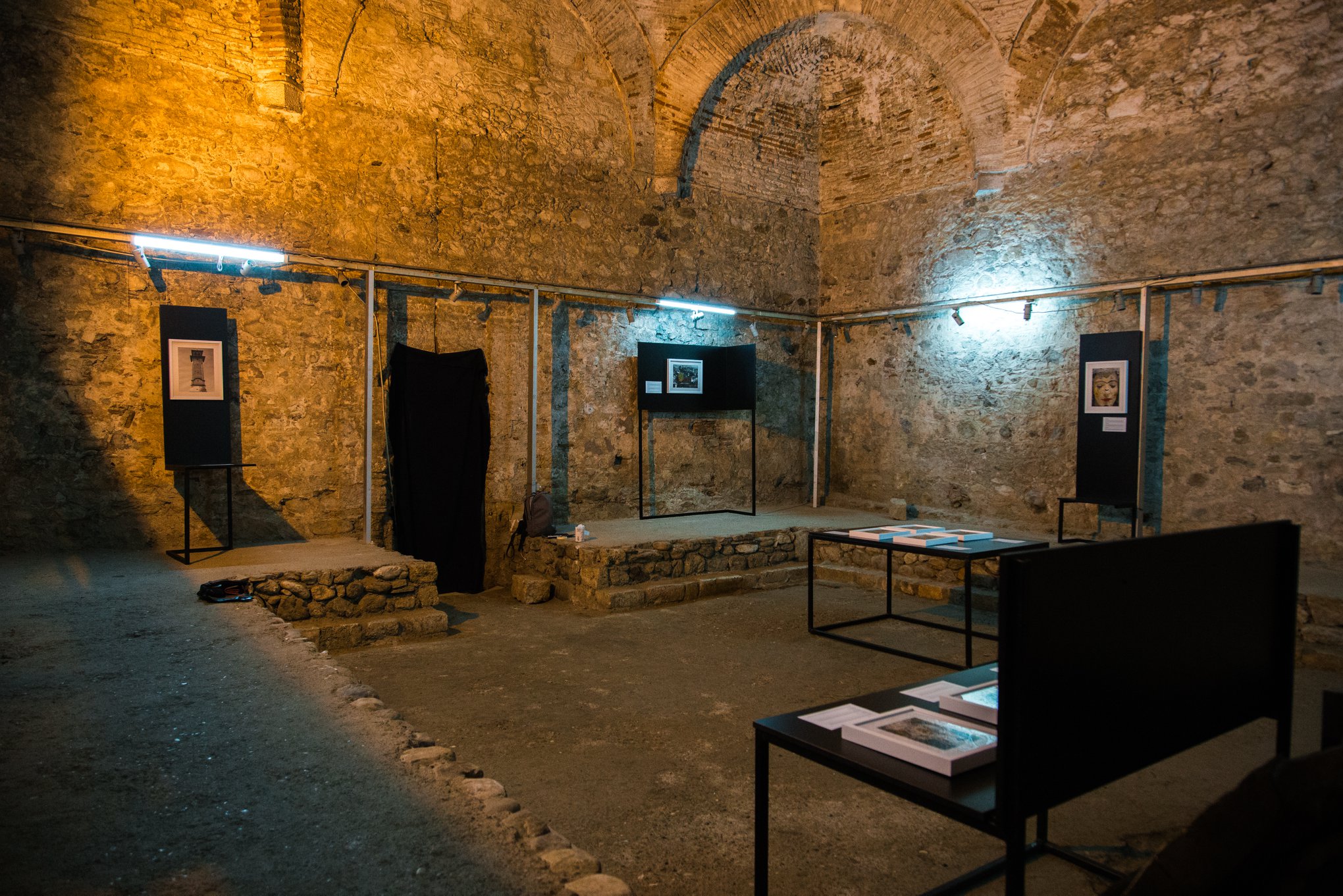
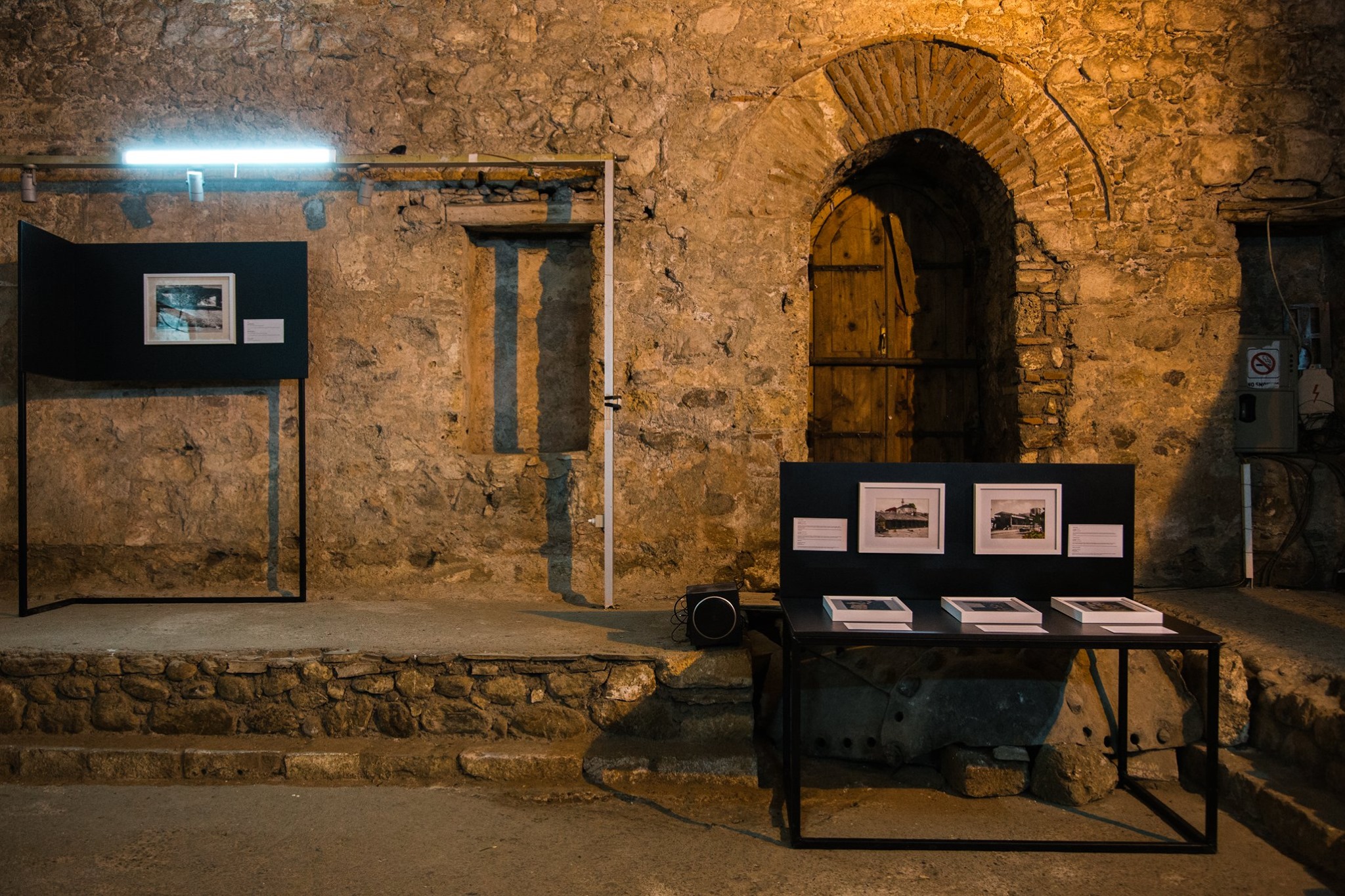
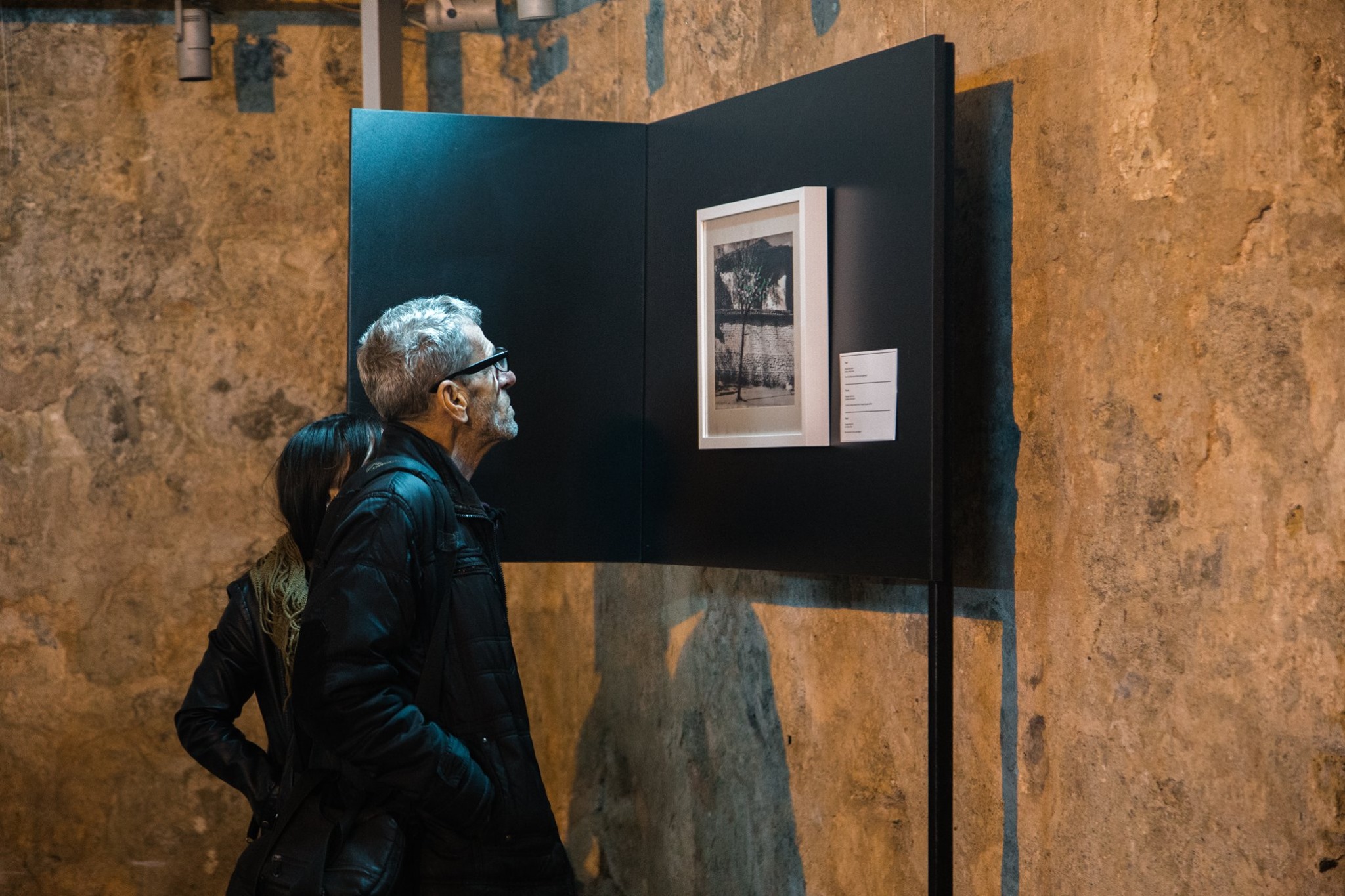
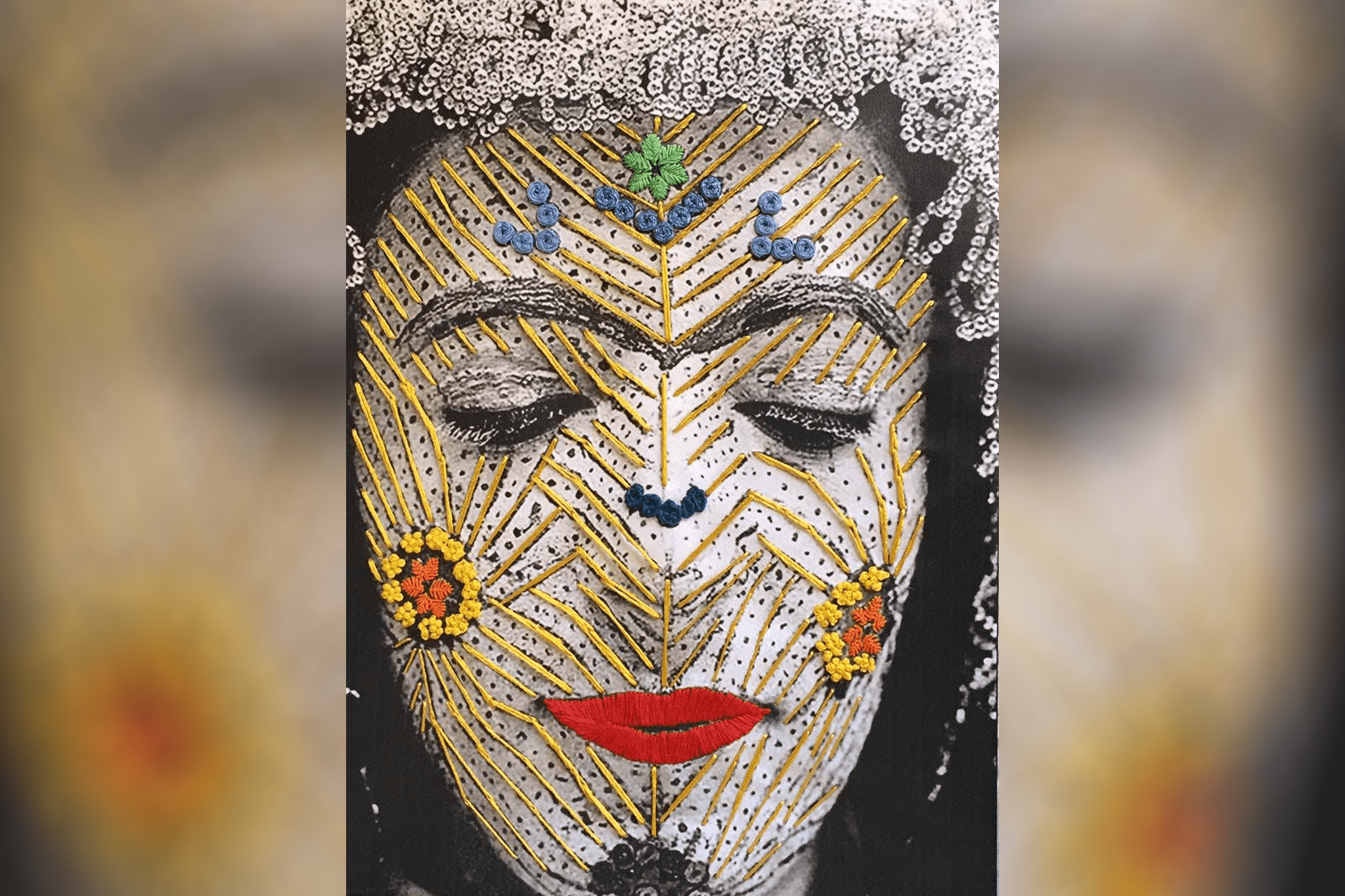
Embroidered History is a participatory art and heritage project developed within the CHwB Kosovo, exploring the intersection of memory, materiality, and traditional craft.
At its core, the project brought together a group of ten women in a hands-on workshop focused on traditional embroidery techniques, recontextualised through an unconventional medium: archival photographs printed on canvas. Through the slow, tactile process of stitching, the participants engaged with inherited visual narratives, not as passive observers, but as active interpreters.
Thread became a tool for intervention — soft yet deliberate — tracing, obscuring, and reimagining fragments of the past. Each gesture introduced a layer of subjectivity, allowing personal memory and collective history to coexist within the same surface.
The project culminated in an exhibition at the Gazi Mehmed Pasha Hammam in Prizren, where the works were presented as part of a carefully composed spatial installation. Responding to the historic character of the hammam, the exhibition design was conceived to enhance the dialogue between architecture, textile, and image.
The installation was designed and curated to create an immersive and intimate atmosphere, where embroidered photographs were not only displayed, but situated — allowing visitors to move through layers of narrative, material, and time. Light, rhythm, and placement played a key role in shaping the experience, emphasizing the tactile quality of the works and the quiet presence of handcraft within a monumental space.
The exhibition brought together works developed during the workshop alongside the author’s own contributions, presented not as a singular artistic statement, but as a collective body of work shaped through collaboration, process, and shared authorship.
Rather than preserving heritage as a fixed image, Embroidered History approaches it as something living — open to reinterpretation, sensitive to touch, and continuously redefined through practice.
Ngjyrose Prizrenin tënd!
Author, Illustration & Concept Design
Këngët e Hanës
Visual Interpretation of Poetry
Meloditë e Rezistencës Exhibition
Exhibition Design, Curation & Voice Narration
Meloditë e Rezistencës
Concept & Cover Design